

 Sticky post
Diabetes and Management tools
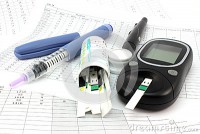
After the diagnosis of diabetes, there are a few diabetes-related tools that you will either have to purchase or have access to. I recommend buying a glucose meter, but before you do this, be sure you have access to the meter test strips; because this is the real source of expense. You need to check your blood glucose readings several times per day, if your blood glucose is … Continue reading Diabetes and Management tools

 Sticky post
Diabetes and Personality
A person’s personality may or may not be modifiable, but an understanding of the relationship between an aspect of personality and adherence to diabetes management plan is quite useful. This can allow modifications to education, counselling methods and behavioural therapy. More than one study use a measure called the NEO Personality Inventory with personality dimensions such as neuroticism, extroversion, agreeableness and conscientiousness, openness to experience, and the respective … Continue reading Diabetes and Personality
 Sticky post
Diabetes and the Elderly
Diabetes occurs more frequently with advancing age, especially for persons who become more sedentary with age. There is an increase in fatty tissue and a decrease in muscle mass with age, which accompanies a decrease in physical activity. The elderly person with diabetes may be affected by other illnesses, known as comorbidities and the use of many medications, known as poly-pharmacy. Hypoglycaemia may occur more … Continue reading Diabetes and the Elderly
 Sticky post
Diabetes and Children
Diabetes and Children The diagnosis of diabetes at a young age is particularly difficult for the child or adolescent and for his or her family. In most cases the diagnosis is type 1 diabetes; but increasingly type 2 diabetes is being diagnosed with a link to childhood obesity. The symptoms are similarly: Increase thirst Hunger Urination Fatigue weight loss Blurred vision or even yeast infections in young … Continue reading Diabetes and Children
 Sticky post
Diabetes and Stress
(As seen in Business Focus March/April 2015 p100) The seasons of gift exchange and indulgences, affection and revelry, gave way to the tax season, which may have caused some distress; financial or otherwise. Stress is defined in Psychology as a person’s response to an external stimulus that may be positive or negative. Eustress has been defined as a positive motivator or challenge that keeps a … Continue reading Diabetes and Stress
 Sticky post
Persons With Diabetes (PWD)
There is no stigma when we are all in the same situation and the exception is rapidly becoming good health. Diabetes does not have to define you but if it must, use it for good.. Leonard Thompson, at age 14, was the first person injected with insulin in 1922 and this prevented his imminent death. At the time, insulin was a hormone isolated from the … Continue reading Persons With Diabetes (PWD)
 Sticky post
Diabetes and Exercise
The benefits of exercise: 30 minutes a day with an increased heart rate of 60-80% of maximal peak heart rate. reduces the risk of heart attack and stroke. improves the body’s use of insulin can delay or prevent type 2 diabetes increases HDL cholesterol improves hypertension causes weight loss improves function if you have peripheral arterial disease. lowers the risk of certain cancers including breast … Continue reading Diabetes and Exercise
 Sticky post
Diabetes and Smoking
Cigarette smoking is a risk factor for diabetes, respiratory disease, strokes and heart disease. One in ten persons smoke; the prevalence of smoking among persons with diabetes is not significantly different compared to the general population. Non-smokers live an average of eight to ten years longer than smokers with diabetes, mostly due to heart disease. Smoking may decrease overall body weight but increases obesity around the abdomen … Continue reading Diabetes and Smoking
 Sticky post
Snacks
A Word on Non-Nutritive Sweeteners Non-nutritive sweeteners (NNS) include: Aspartame,(Nutrasweet,Equal), Saccharin (Sweet’NLow), Sucralose (Splenda), and Stevia (Truvia, PrueVia). NNS do not add calories, nor do they add nourishment. In theory these sweeteners should support blood glucose control and weight management but there has been some controversy. For example, some studies indicate that persons who drink more than twenty-one diet sodas per week are twice as likely to become … Continue reading Snacks
 Your Diabetes Health